Tel: +86 186 6316 0249
 E-mail: Selina.zhou@hydfishingtackle.com




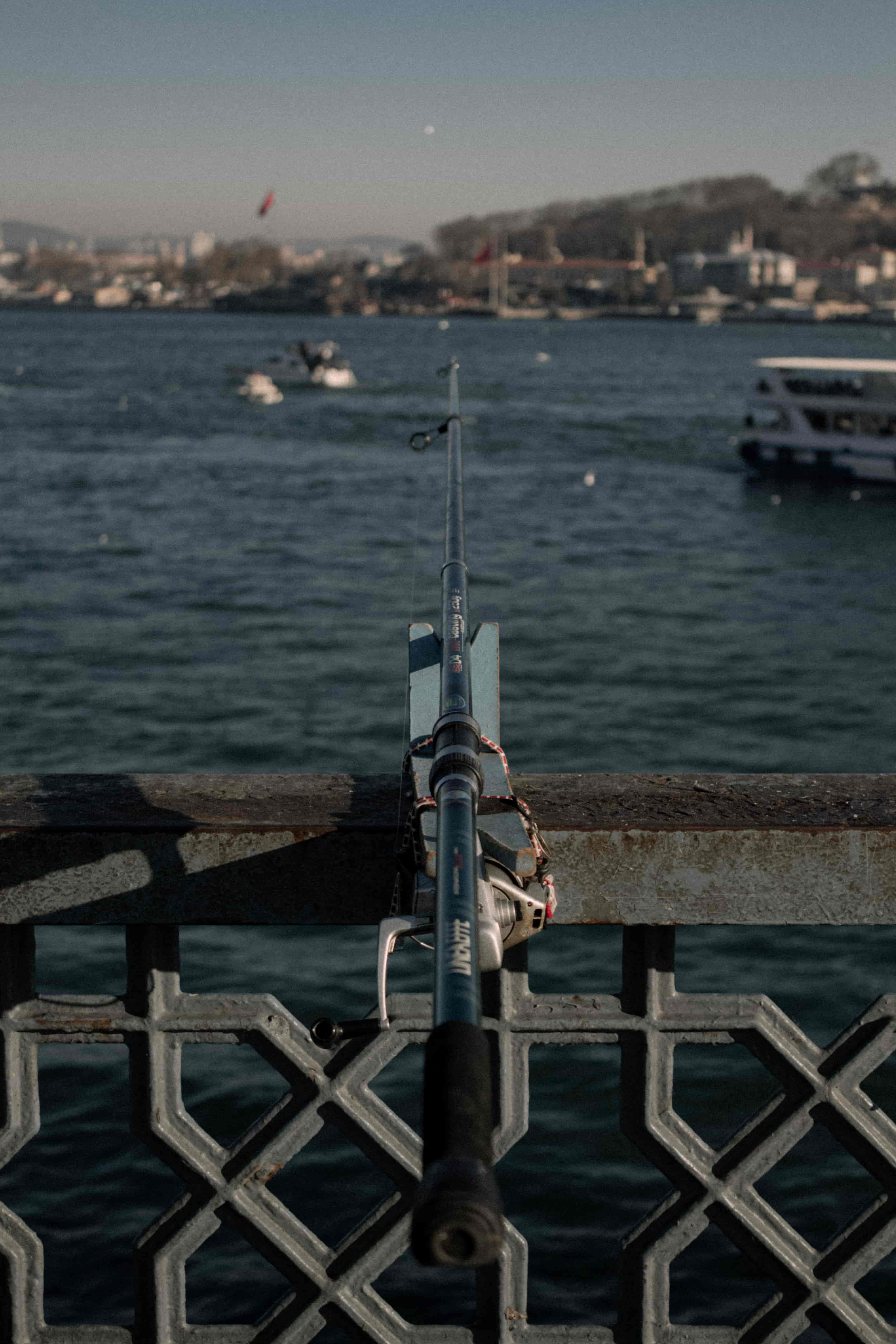
Spinning Rod vs Casting Rod: The Difference Explained
The difference between a spinning rod and a casting rod is easy to see once you hold both in your hands.
A spinning rod is designed to work with a spinning reel mounted underneath the rod. A casting rod is designed for a baitcasting or conventional reel mounted above the blank.
That difference affects the guide layout, reel seat, casting technique and the type of lures the setup handles best.
Many anglers ask which rod is better. The more useful question is:
Which rod is better for the way you fish?
A spinning rod is often easier to use, especially with lighter lures and general inshore fishing. A casting rod can offer excellent accuracy and direct control when paired with the right reel and used by an experienced angler.
Neither rod is automatically superior. The right choice depends on the lure, target species, fishing environment and the angler’s experience.
H.Y.D. Sports supplies different fishing rod types, including spinning rods, casting rods, surf rods, jigging rods and other carbon fiber fishing rods.
What Is a Spinning Rod?
A spinning rod is built for a spinning reel.
The reel sits below the blank, and the line leaves the spool in loops during the cast. Because of this, the first guide on a spinning rod is usually larger than the guides closer to the tip. The guide system helps control the line as it moves from the spool onto the rod.
Spinning rods are commonly used for:
- Light and medium lures
- Soft plastics
- Metal spoons
- Small hard lures
- General inshore fishing
- Harbor and pier fishing
- Freshwater and saltwater applications
- Beginner fishing setups
One of the main advantages of a spinning rod is its simplicity. The angler opens the bail, casts and closes the bail after the lure lands. There is no spool to control with the thumb during the cast.
That makes spinning tackle a comfortable starting point for new anglers and a practical choice for experienced anglers who regularly use lighter lures.
What Is a Casting Rod?
A casting rod is designed for a baitcasting or conventional reel.
The reel sits above the rod blank. The guides are normally smaller and positioned to suit the line path from the reel. Casting rods also usually have a trigger-style grip below the reel seat, helping the angler maintain control during the cast.
Casting rods are commonly used for:
- Bass fishing
- Heavy soft plastics
- Crankbaits
- Jigs
- Larger hard lures
- Fishing around cover
- Accurate casting
- Heavier freshwater or saltwater applications
A casting reel gives the angler direct control over the spool. This can make it easier to place a lure close to cover, under branches or beside a structure once the angler has developed the necessary technique.
The trade-off is that casting reels require more practice. Poor spool control can cause backlash, sometimes called a bird’s nest.
Spinning Rod vs Casting Rod: Main Differences
| Feature | Spinning Rod | Casting Rod |
|---|---|---|
| Reel position | Below the blank | Above the blank |
| Reel type | Spinning reel | Baitcasting or conventional reel |
| Learning curve | Easier for most beginners | Requires more practice |
| Light lures | Usually handles them well | Can be less efficient with very light lures |
| Casting accuracy | Good | Excellent with experience |
| Backlash risk | Very low | Possible without proper spool control |
| Common applications | Inshore, finesse, general fishing | Bass, cover, heavy lures, accurate casting |
| Guide design | Larger first guide | Smaller guide layout |
| Grip style | Standard spinning grip | Often includes a trigger grip |
The table gives a general comparison, but the rod’s power, action, lure range and line range are still more important than the label alone.
A medium spinning rod and a medium casting rod may both be suitable for similar lure weights, but they will not feel the same because the reel position and guide system are different.
How the Reel Changes the Fishing Experience
The reel is not just an accessory attached to the rod. It changes the way the entire setup behaves.
Spinning reel setup
A spinning reel is usually easier to operate. The spool does not rotate during the cast, so the angler does not need to manage spool speed with a thumb.
This is particularly useful when:
- Fishing with light lures
- Casting into the wind
- Sharing equipment with beginners
- Changing lures frequently
- Fishing from a pier or shoreline
- Using thin braided line
The spinning reel design also works well for a wide range of general fishing situations.
Baitcasting reel setup
A baitcasting reel rotates during the cast. The angler controls the spool with the thumb and adjusts the braking system according to the lure weight and casting conditions.
This gives the angler a greater degree of direct control, but it also creates a steeper learning curve.
Baitcasting tackle can be especially useful when:
- Accurate lure placement matters
- Heavier lures are being used
- Fishing close to weeds, rocks or structure
- The angler needs direct contact with the lure
- Repeated short casts are part of the technique
The reel must be set correctly. If the spool is too loose for the lure and casting speed, backlash becomes more likely.
When Is a Spinning Rod the Better Choice?
A spinning rod is often the better option when ease of use and versatility are important.
For beginners
Most beginners can learn to cast a spinning setup quickly. It does not require the same level of spool-control practice as baitcasting tackle.
That does not mean spinning rods are only for beginners. Many experienced anglers use them when a technique calls for light lures, long casts or a more forgiving setup.
For light lures
Spinning tackle is usually more efficient with very light lures because the lure pulls line from the fixed spool without needing to rotate a spool.
This can be useful for:
- Small soft lures
- Light spoons
- Small minnows
- Finesse rigs
- Light jigs
- Small topwater lures
For saltwater inshore fishing
A spinning rod is a practical option for fishing around harbors, piers, breakwaters and coastal structures.
The angler can cast different types of lures without changing the entire setup. This flexibility is one reason spinning rods remain popular across many markets.
You can view the spinning rod product range when comparing product options for general fishing and inshore applications.
In windy conditions
Wind can make any fishing setup more difficult, but spinning tackle is often more forgiving because the spool is not rotating during the cast.
The line may still be affected by wind, but the angler is less likely to experience the sudden spool overruns associated with a baitcasting reel.
When Is a Casting Rod the Better Choice?
A casting rod becomes more attractive when accuracy, lure control and direct contact are priorities.
For accurate casting
Experienced anglers can place a baitcasting lure very precisely. This is useful when fishing close to cover or targeting a narrow opening between structures.
The angler can slow or stop the spool during the cast, allowing the lure to land with less splash.
For heavier lures
Casting tackle is commonly used with medium and heavy lures. The reel sits above the blank, and the angler can maintain a strong grip while loading the rod and controlling the lure.
This can be useful for:
- Heavy soft plastics
- Jigs
- Crankbaits
- Spinnerbaits
- Large surface lures
- Heavier saltwater plugs
The lure range printed on the rod should still be followed. A casting rod is not automatically designed for every heavy lure.
Around cover and structure
Casting tackle is popular among anglers who fish around vegetation, rocks, docks and submerged structure.
The combination of rod power, reel control and short accurate casts can help the angler guide the lure into a specific area and respond quickly when a fish takes the bait.
For direct lure control
Because the reel is mounted above the blank, many anglers feel that a casting setup provides more direct contact with the rod and line.
This can be useful when working jigs, bottom-contact lures or techniques where the angler needs to detect subtle changes.
Spinning Rod vs Casting Rod for Saltwater Fishing
Both rod types can be used in saltwater, but the better choice depends on the application.
Spinning rods for saltwater
Spinning rods are often used for:
- Inshore lure fishing
- Pier fishing
- Harbor fishing
- Light surf fishing
- Shore casting
- Small to medium saltwater species
They work well with spinning reels and can be paired with braided line and fluorocarbon leaders.
For buyers developing a general saltwater product, spinning rods are often easier to position because they are familiar to a wide range of anglers.
Casting rods for saltwater
Casting rods can be useful for:
- Heavy inshore lures
- Accurate casting around structure
- Stronger line classes
- Large soft plastics
- Boat casting
- Anglers who prefer baitcasting tackle
However, the reel and components must be suitable for the saltwater environment. Saltwater can affect guides, reel seats, bearings and other metal parts, so product specifications and maintenance instructions should be clear.
Which Rod Is Better for Light Lures?
In most cases, a spinning rod is the easier choice for light lures.
A light lure may not generate enough force to load a casting rod properly. It may also struggle to rotate a baitcasting spool efficiently, especially if the reel is not designed for finesse applications.
A spinning reel allows the lure to pull line from the spool more naturally.
That said, specialized finesse baitcasting equipment does exist. With the right reel, line and rod, experienced anglers can use very light lures with casting tackle. It is simply a more specialized setup and usually requires more practice.
When comparing rods, check:
- Minimum lure weight
- Rod power
- Rod action
- Line range
- Reel size
- Overall balance
Which Rod Is Better for Heavy Lures?
A casting rod is often preferred for heavier lures because the baitcasting reel gives the angler direct spool and thumb control.
This can make it easier to manage the cast and maintain control during the retrieve.
However, a spinning rod can also handle heavy lures if the rod, reel, line and guides are designed for the load. Surf rods and some offshore spinning rods are built specifically for heavier rigs.
The important point is to choose according to the actual lure range.
Do not assume that every casting rod is stronger than every spinning rod. A well-designed spinning rod can be powerful, while a lightweight casting rod may be intended for relatively small lures.
Rod Power and Action Still Matter
The spinning-versus-casting decision is only one part of the selection process.
Two rods with the same reel type can have very different performance.
Power
Power describes how much force is needed to bend the rod.
A light rod is usually matched with smaller lures and lighter line. A medium or medium-heavy rod may be more suitable for larger lures, stronger line and heavier fish.
Action
Action describes where the rod bends.
A fast-action rod generally bends closer to the tip and can feel responsive when working a lure. A moderate-action rod bends further down the blank and may load smoothly during a cast.
The correct action depends on the lure and fishing method.
For example, a soft plastic presentation may benefit from a different action than a crankbait or topwater lure. A rod manufacturer should help match the action to the intended use rather than treating action as a decorative specification.
How to Choose Between a Spinning Rod and Casting Rod
Use this simple decision process.
Choose a spinning rod if:
- You are new to fishing
- You mainly use light or medium lures
- You fish in windy conditions
- You want a versatile setup
- You fish from shore, piers or harbors
- You prefer a simple reel system
- You frequently change lure sizes
Choose a casting rod if:
- You already understand baitcasting reels
- Accurate lure placement is important
- You use medium or heavy lures
- You fish around cover
- You want direct spool control
- You need short, repeated casts
- You prefer the feel of a reel above the blank
If you are still unsure, a medium spinning rod is usually the safer general-purpose choice. It is easier to use and suitable for more situations.
Common Mistakes When Choosing a Rod
Choosing only by the reel type
A spinning rod is not automatically light, and a casting rod is not automatically heavy. Always check the power and lure range.
Using the wrong reel
A spinning reel should be matched with a spinning rod. A baitcasting reel should be matched with a casting rod. The guide layout and reel seat are designed for the correct reel type.
Ignoring lure weight
A rod that is too powerful for the lure may feel unresponsive. A rod that is too light may become overloaded.
Buying an uncomfortable setup
The rod should feel balanced with the reel attached. A tip-heavy setup can become tiring after repeated casts.
Choosing a rod for the largest possible fish
Select the rod according to the normal fishing application, lure and line. Overbuilding the setup can reduce casting comfort and lure control.
For Fishing Tackle Buyers and Brands
The spinning rod versus casting rod comparison is also important when developing a product range.
A brand should not simply offer one spinning rod and one casting rod with similar specifications. The two products should have clear positions.
For example:
- A spinning rod may focus on light and medium lure applications
- A casting rod may target accuracy and heavier lures
- A spinning model may be positioned for beginners and general inshore fishing
- A casting model may be designed for experienced anglers and structure fishing
Before ordering, define:
- Target customer
- Fishing method
- Target species
- Rod length
- Power
- Action
- Lure range
- Line range
- Reel type
- Handle design
- Packaging
- Product price position
H.Y.D. Sports’ main fishing rod page shows several rod categories, while its product structure also includes related reels and lures. This can be useful if you are planning a broader fishing tackle range instead of a single rod model.
Final Thoughts
The choice between a spinning rod and a casting rod comes down to the type of fishing you do and the way you want the setup to feel.
Choose a spinning rod when you want a simple, versatile system that works well with light and medium lures.
Choose a casting rod when you value accurate placement, direct spool control and heavier lure applications.
Then check the details that determine real-world performance:
- Rod power
- Rod action
- Lure range
- Line range
- Reel compatibility
- Balance
- Guide layout
- Fishing environment
If you are developing spinning or casting rods for your own brand, the specification should be built around the target customer rather than copied from a generic product listing. You can contact H.Y.D. Sports with your target market, product concept and estimated order quantity to discuss suitable fishing rod options.
Frequently Asked Questions
1. Is a spinning rod or casting rod better for beginners?
A spinning rod is usually better for beginners because the reel is easier to operate and the casting technique is more forgiving. The spool on a spinning reel does not rotate during the cast, so beginners are less likely to experience backlash. A casting rod can also be learned, but it usually requires practice with spool tension, braking and thumb control. For a first setup, a balanced spinning rod with medium-light or medium power is often the most practical option for learning basic casting and lure control.
2. What is the main difference between a spinning rod and a casting rod?
The main difference is the reel position and the type of reel each rod uses. A spinning rod is designed for a spinning reel mounted below the blank. A casting rod is designed for a baitcasting or conventional reel mounted above the blank. This changes the guide layout, grip design and casting technique. Spinning rods are generally easier with light lures, while casting rods can provide excellent accuracy and direct spool control when used by an experienced angler.
3. Is a spinning rod better for light lures?
In most situations, a spinning rod is better for light lures because a spinning reel allows the lure to pull line from a fixed spool without rotating it. This makes it easier to cast small soft plastics, light spoons, small jigs and finesse rigs. A casting setup can also handle light lures if it uses a specialized finesse reel, but that combination usually costs more and requires better spool-control technique. Always check the rod’s minimum lure rating before making a decision.
4. Is a casting rod stronger than a spinning rod?
A casting rod is not automatically stronger than a spinning rod. Strength depends on the blank material, power, action, construction, guide layout and intended lure range. Casting rods are often used with heavier lures and stronger tackle, but many spinning rods are designed for surf fishing, offshore fishing and other demanding applications. When comparing strength, check the rod’s actual power, line range and lure rating. The reel type alone does not determine how much load a fishing rod can handle.
5. Which rod is better for saltwater fishing?
Both spinning rods and casting rods can be used for saltwater fishing. A spinning rod is often more versatile for shore, pier and inshore lure fishing, especially when the angler uses light or medium lures. A casting rod can be useful for heavier lures, accurate casts and fishing around structure. Saltwater component quality also matters. Check the guides, reel seat, coating and maintenance requirements, then match the rod to the actual fishing method rather than choosing by rod type alone.
6. Can I use a spinning reel on a casting rod?
A spinning reel should not normally be used on a casting rod. The two rods use different reel seats, guide layouts and line paths. A casting rod is designed to support a reel above the blank, while a spinning rod is designed for a reel below the blank. Trying to combine the wrong reel and rod can affect balance, casting performance and component strength. For the best results, use a spinning reel with a spinning rod and a baitcasting reel with a casting rod.
7. Which rod is better for accurate casting?
A casting rod and baitcasting reel can provide excellent accuracy once the angler is comfortable controlling the spool. The thumb can slow the lure during flight and stop it just before it reaches the target. This is useful around docks, vegetation, rocks and other structure. A spinning rod can also cast accurately, especially with practice, but it does not provide the same direct spool control. The best option depends on the angler’s experience and the type of casting required.
8. Which rod is better for fishing in windy conditions?
A spinning rod is often easier to use in windy conditions because its reel does not rely on a rotating spool during the cast. This reduces the risk of backlash when wind slows the lure unexpectedly. However, wind still affects line movement, lure control and casting distance. A casting setup can perform well in wind when the braking system and spool tension are adjusted correctly. For casual shore fishing with changing wind, a spinning rod is generally the more forgiving choice.
9. How do I choose between spinning and casting rods for heavy lures?
Start by checking the actual lure weight, line strength, target fish and casting environment. A casting rod is often preferred for medium and heavy lures because the baitcasting reel offers direct control and a strong grip. However, heavy spinning rods are also available for surf, offshore and saltwater applications. Do not assume that the rod type determines the maximum lure weight. Compare the printed lure range, power, action and recommended line range before selecting the complete setup.
10. Can a fishing rod manufacturer produce both spinning and casting rods?
Many fishing rod manufacturers can produce both spinning and casting rods, but the designs should not simply be treated as interchangeable. The reel seat, guide layout, handle and blank balance need to match the intended reel type and fishing method. H.Y.D. Sports lists both spinning and casting rod categories and supports different rod applications. For a private-label project, provide the target customer, lure range, line range, rod length and product position so the manufacturer can develop a suitable specification for each model.