Tel: +86 186 6316 0249
 E-mail: Selina.zhou@hydfishingtackle.com




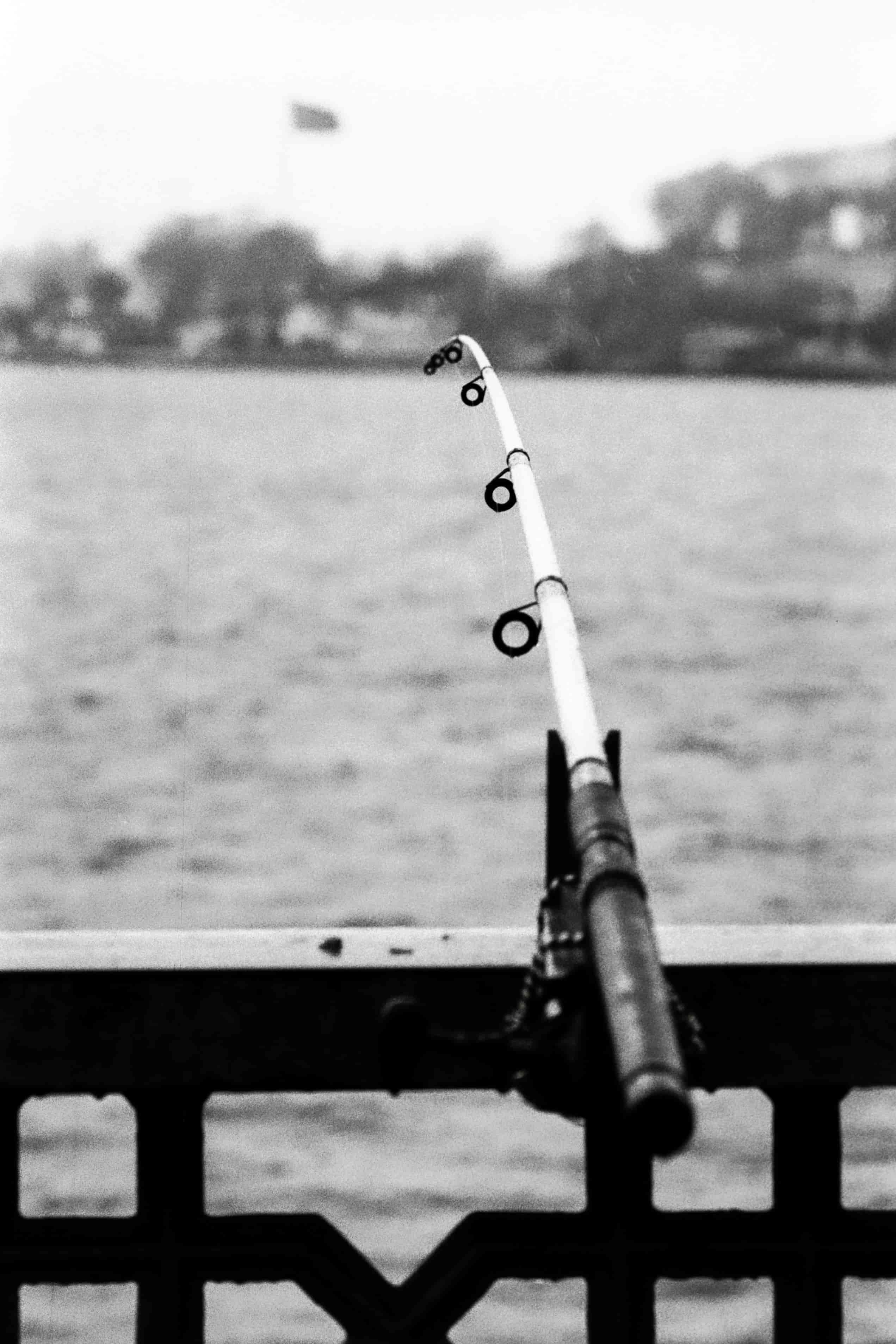
How to Choose a Saltwater Fishing Rod for Your Fishing Style
Choosing a saltwater fishing rod is not simply a question of finding the longest or strongest model.
The right rod depends on where you fish, what you are targeting and how you present the bait or lure. A rod designed for casting from a beach will feel very different from one used for vertical jigging from a boat. A light spinning rod may be ideal for harbor fishing, but completely unsuitable for heavy offshore trolling.
That is why saltwater rod selection should start with the fishing situation rather than the appearance of the rod.
Are you fishing from a beach, pier, rocky shoreline or boat? Are you casting soft lures, metal jigs, live bait or heavy trolling rigs? Do you need distance, sensitivity, lifting power or a comfortable setup for repeated casting?
Once these questions are clear, the rest of the specification becomes much easier to understand.
H.Y.D. Sports manufactures and supplies a wide range of fishing rods, including surf rods, trolling rods and spinning rods. The company’s main fishing rod product range also includes fly rods, jigging rods and casting rods.
Step 1: Decide Where You Will Fish
The fishing location affects almost every part of the rod.
Saltwater fishing usually falls into four broad categories:
- Shore fishing
- Surf fishing
- Inshore or harbor fishing
- Offshore boat fishing
These categories overlap, but each creates different demands.
Shore and inshore fishing
Inshore fishing around harbors, piers, breakwaters and rocky coastlines often requires accurate casting and good lure control. A medium-length spinning rod is a practical option because it is easy to cast and can be matched with many types of lures.
The rod should be light enough for repeated casting but strong enough to control fish around rocks, pilings and other structure.
Surf fishing
Surf fishing usually requires more distance and better line control. A longer rod can help the angler cast beyond breaking waves, lift line away from the water and manage a rig from a low beach position.
However, longer does not always mean better. A rod that is too long or too heavy can be tiring to cast, especially when the angler is using it for several hours.
You can view H.Y.D. Sports’ current surf fishing rod range when comparing different shore-fishing applications.
Offshore boat fishing
Offshore fishing from a boat usually requires stronger equipment, but the ideal rod depends on the method.
Trolling rods, jigging rods and general boat rods are designed for different lure movements and fighting positions. A rod used vertically beside a boat does not need the same casting characteristics as a surf rod.
For offshore fishing, consider:
- Target species
- Fishing depth
- Lure or sinker weight
- Line class
- Fighting position
- Reel type
- Expected drag pressure
Step 2: Choose the Right Saltwater Rod Type
There is no single rod type for all saltwater fishing. The most suitable design depends on the technique.
Saltwater spinning rod
A spinning rod is often the most versatile option for shore and inshore fishing.
It works with a spinning reel mounted below the blank and is generally easy to cast, especially with lighter lures. Spinning tackle is also a common choice for beginners because it is simple to operate and does not require the same spool-control technique as a baitcasting setup.
A saltwater spinning rod may be used for:
- Harbor fishing
- Inshore lure fishing
- Light rock fishing
- Pier fishing
- Small surf applications
- General coastal fishing
When choosing one, pay attention to the lure range, line range and overall balance rather than only the rod length.
Surf fishing rod
A surf rod is designed for casting from beaches and open shorelines.
It is usually longer than a general inshore rod and may have more power to cast heavier sinkers or bait rigs. The length can also help keep the line above waves and improve control when fishing from a low beach position.
A surf rod should be selected according to the actual rig weight. If the rod is too powerful for the rig, it may not load properly during the cast. If it is too light, it may become overloaded.
Jigging rod
A jigging rod is designed to work metal jigs, often from a boat or deep-water platform.
The rod length, action and butt strength depend on the style of jigging. A light jigging rod is different from a heavy offshore jigging rod. Slow-pitch jigging also requires a different blank response from fast vertical jigging.
The main selection points are:
- Jig weight
- Fishing depth
- Current
- Target species
- PE line range
- Reel type
- Fighting position
H.Y.D. Sports lists a carbon jigging rod range, including a 1.8-meter carbon jigging fishing rod.
Trolling rod
A trolling rod is designed to work with a moving boat and a line that may remain under constant pressure.
It normally needs a strong butt section, suitable guides and a reel seat that can handle heavier conventional or trolling reels. A trolling rod is not normally selected for long casting. Its job is to manage the lure, line and fish while the boat is moving.
When specifying a trolling rod, include the target species, lure type, line class, reel type and expected drag setting.
You can review the existing trolling rod category for examples of the type of product positioning used on the site.
Step 3: Choose the Correct Rod Length
Rod length affects casting distance, lure control, line management and comfort.
Short saltwater rods
Shorter rods are useful when fishing from a boat or in confined areas.
They are easier to control around railings, structures and other anglers. A shorter blank can also make vertical lure control more direct.
The main limitation is reduced casting distance and line clearance.
Medium-length saltwater rods
Medium-length rods are often the best starting point for general inshore fishing.
They provide a useful balance between:
- Casting distance
- Lure control
- Portability
- Comfort
- Line management
For many anglers, a medium-length spinning rod is easier to use across different coastal locations than an extremely short or long model.
Long saltwater rods
Longer rods are commonly used for surf fishing, open shoreline casting and situations where the angler needs to keep line away from waves or rocks.
They can increase casting leverage, but they also create more weight and tip movement. The angler should be able to cast the rod comfortably with the intended lure or rig.
When ordering or developing a saltwater fishing rod, do not specify length alone. Length should always be considered together with power, action, lure range and line range.
Step 4: Understand Rod Power and Action
Power and action are two of the most important rod specifications, but they describe different things.
Rod power
Power describes how much force is needed to bend the rod.
Common power descriptions include:
- Ultra-light
- Light
- Medium-light
- Medium
- Medium-heavy
- Heavy
- Extra-heavy
A light rod is designed for smaller lures and lighter line. A heavy rod is designed to handle heavier lures, stronger line and larger fish.
The correct power depends on the complete setup. A heavy rod is not automatically better for saltwater fishing. If it is too powerful for the lure, the lure may not cast efficiently and the rod may feel unpleasant to use.
Rod action
Action describes where the rod bends.
A fast-action rod bends more toward the tip. It usually feels responsive and can provide good lure control and sensitivity.
A moderate-action rod bends further down the blank. It may load smoothly during casting and provide more cushioning when a fish changes direction.
A moderate-fast action can offer a useful balance for general saltwater use.
Match power and action to the method
For light inshore lure fishing, a medium-light or medium spinning rod may be appropriate.
For surf fishing, medium or medium-heavy power may be more practical, depending on the sinker or lure.
For offshore jigging, the rod should be selected according to the jig weight, line class and target species rather than using a general label such as “heavy duty.”
Step 5: Match the Lure or Bait Weight
The printed lure range is one of the most useful specifications on a saltwater fishing rod.
A rod should load properly with the lure or rig you plan to use.
If the lure is too light, the rod may not bend enough during the cast. This can reduce casting distance and make the lure feel difficult to control.
If the lure is too heavy, the rod may become overloaded. This is especially important when casting metal jigs, sinkers or large plugs.
Before selecting a rod, make a list of the weights most commonly used by your customers.
For example:
- Light soft lures for harbor fishing
- Medium hard lures for inshore species
- Metal jigs for boat fishing
- Heavy sinkers for surf fishing
- Large surface lures for offshore casting
The rod’s stated lure range should cover the main working range, not only the maximum weight.
Step 6: Match the Line and Leader
The fishing line affects how the rod performs.
Many saltwater anglers use PE braided line because it offers low stretch and good sensitivity. However, the correct PE size depends on the rod, reel, target fish and structure.
A thin braid may help with casting distance and lure control. A heavier braid may be more suitable around rocks, heavy current or larger fish.
The leader should also match the conditions.
A heavier fluorocarbon leader can provide better abrasion resistance around rocks and structure. A lighter leader may be useful when fishing with small lures or cautious fish.
When developing a rod for a particular market, the recommended line range should be printed clearly on the product. This makes it easier for customers to pair the rod with a suitable reel and line.
Step 7: Select a Compatible Reel
A saltwater fishing rod should be matched with the correct reel type and size.
A spinning rod needs a spinning reel. A casting rod needs a baitcasting or conventional reel. A trolling rod may be paired with a larger conventional reel, depending on the intended use.
The reel should:
- Fit the reel seat securely
- Hold enough line
- Provide suitable drag
- Match the rod’s line range
- Keep the setup balanced
- Suit the fishing environment
A large reel on a light rod can create unnecessary weight and make the setup uncomfortable. A small reel on a heavy rod may not hold enough line or provide enough drag for the target fish.
The best combination is not always the heaviest one. Balance matters, particularly when the angler is casting repeatedly.
Step 8: Consider Saltwater Durability
Saltwater is hard on fishing tackle.
Salt, sand, spray and moisture can affect guides, reel seats, metal components, coatings and section joints. Even a well-designed rod needs proper care after fishing.
When evaluating a saltwater fishing rod, look at:
- Guide quality
- Guide wrapping
- Reel-seat construction
- Coating quality
- Joint fit
- Butt-cap design
- Corrosion-resistant components
- Surface protection
A rod made for occasional freshwater use may not be the best choice for regular saltwater fishing.
Maintenance is also important. Customers should rinse the rod with fresh water after use, wipe it dry and avoid storing it while salt or sand remains on the components.
Step 9: Think About Balance and Comfort
A rod can have good specifications and still feel uncomfortable in the hand.
Balance is affected by:
- Blank weight
- Reel weight
- Handle length
- Reel-seat position
- Grip material
- Butt design
- Guide size
For an angler who casts several hundred times in a session, a small difference in balance can become noticeable.
A rod that is slightly heavier but well balanced may feel better than a lighter rod with too much weight toward the tip.
If you are developing a private-label saltwater fishing rod, test the actual rod with the intended reel and line. Looking at the blank alone does not tell you how the completed setup will feel.
Step 10: Choose a Manufacturer That Understands the Application
A fishing rod manufacturer should understand the difference between a surf rod, spinning rod, jigging rod and trolling rod.
This does not mean the supplier needs to tell you which product to buy. It means the manufacturer should be able to discuss the technical reasons behind the specification.
When evaluating a supplier, ask:
- Which saltwater fishing rods do you currently produce?
- Can you support different rod actions and power ranges?
- Can you provide product samples?
- Can you customize the handle, guides and reel seat?
- Can you print the recommended lure and line range?
- How are the rods inspected before shipment?
- Can you provide OEM or private-label packaging?
- Can you help with product development?
H.Y.D. Sports describes its business as covering fishing rod manufacturing, professional design support, product development and quality inspection. Its service page also mentions OEM customization, production progress feedback and inspection before shipment.
These are useful points to discuss before requesting a quotation.
Common Mistakes When Choosing a Saltwater Fishing Rod
Choosing the strongest rod available
A rod that is too powerful may be uncomfortable and inefficient with normal lures.
Choosing by length alone
Two rods with the same length can have completely different power, action and lure ranges.
Ignoring the line range
The rod, reel and braid should work as a system. A line that is too heavy for the rod may create unnecessary stress.
Using one rod for every method
A surf rod, jigging rod and trolling rod are designed for different fishing positions and lure movements.
Forgetting the reel
A rod is only part of the setup. The reel changes balance, line capacity and overall performance.
Buying without checking components
Guides, reel seats, joints and coatings matter, especially for products that will be used in saltwater.
Final Buying Checklist
Before choosing a saltwater fishing rod, confirm the following:
- Fishing location
- Target species
- Fishing technique
- Rod type
- Rod length
- Number of sections
- Power
- Action
- Lure or sinker range
- Recommended line range
- Reel type
- Handle design
- Guide quality
- Saltwater durability
- Transport length
- Product warranty or after-sales support
If you are buying for a fishing brand or distribution business, also confirm:
- MOQ
- Sample cost
- Customization options
- Logo and packaging
- Production lead time
- Inspection process
- Spare parts
- Shipping terms
Final Thoughts
The best saltwater fishing rod is not necessarily the longest, lightest or strongest model.
It is the rod that matches the fishing method, lure, line, reel and environment. A well-balanced inshore spinning rod may outperform a much heavier rod when used with the right lure. A longer surf rod may be useful from an open beach but inconvenient on a small boat. An offshore jigging rod may be powerful enough for large fish but unsuitable for casting from shore.
For buyers, importers and fishing brands, the same principle applies during product development. Start with the real fishing application, then build the specifications around it.
H.Y.D. Sports offers a range of fishing rods for different saltwater applications, including surf, spinning, trolling and jigging models. If you are developing a new product range, you can contact H.Y.D. Sports with the target market, fishing method, rod specifications and estimated order quantity.
Frequently Asked Questions
1. What is the best saltwater fishing rod for beginners?
The best saltwater fishing rod for a beginner is usually a medium-length spinning rod with medium-light or medium power and a versatile lure range. Spinning tackle is relatively easy to cast and can be used for harbor, pier and light inshore fishing. Beginners should choose a rod that is comfortable with the intended reel and line rather than selecting the strongest model available. A balanced rod with clear lure and line specifications is easier to learn with and can remain useful even after the angler gains more experience.
2. What length saltwater fishing rod should I choose?
The right saltwater fishing rod length depends on where you fish. Short rods are easier to control from a boat or in confined spaces. Medium-length rods are versatile for harbors, piers and general inshore fishing. Longer rods are useful for surf casting, increasing casting distance and keeping line above waves. Angler height, lure weight and casting style also matter. Instead of choosing by length alone, compare the rod’s power, action, lure range and line range to make sure the complete specification suits your fishing method.
3. What power saltwater fishing rod do I need?
Saltwater fishing rod power should match the target species, lure or bait weight, line strength and fishing environment. Medium-light power can suit smaller lures and light inshore fishing, while medium power is more versatile for general coastal use. Medium-heavy and heavy rods may be needed for larger lures, strong current, heavy sinkers or larger fish. A heavier rod is not always better. If the power is too high for the lure, the rod may not load properly and can become tiring to use.
4. Is a spinning rod good for saltwater fishing?
A spinning rod is one of the most practical choices for saltwater fishing, especially for beginners and inshore anglers. It works well with light and medium lures, is relatively easy to cast and can be matched with a wide range of spinning reels. Saltwater spinning rods are commonly used around harbors, piers, beaches and rocky shorelines. The key is to choose a model with the correct lure range, line range, guide components and corrosion protection for the conditions where it will be used.
5. What is the difference between a surf rod and a regular saltwater fishing rod?
A surf rod is a specialized saltwater fishing rod designed for casting from beaches and open shorelines. It is usually longer and may have more power to cast heavier sinkers or bait rigs. The extra length can help keep line above waves and improve control from a low beach position. A regular inshore rod is often shorter and lighter, making it easier to use around harbors, piers and structure. The better choice depends on whether you need distance and line clearance or lighter lure control.
6. Can I use one saltwater fishing rod for different types of fishing?
You can use one versatile saltwater fishing rod for several related applications, but no single rod performs equally well in every situation. A medium spinning rod may handle light inshore lures, harbor fishing and small shore species. It is unlikely to replace a dedicated surf rod for heavy sinkers or an offshore jigging rod for deep-water work. If you need one general-purpose model, choose a balanced rod with a practical lure range and line range that covers the fishing situations you encounter most often.
7. What line should I use with a saltwater fishing rod?
The correct line depends on the rod’s recommended line range, target species, lure weight and fishing structure. PE braided line is popular for saltwater fishing because it offers low stretch and good sensitivity. A fluorocarbon leader can provide additional abrasion resistance around rocks, pilings and other structure. Do not choose line only by breaking strength. The braid, leader, rod and reel should work together, and the complete setup should remain within the rod manufacturer’s recommended range.
8. Are carbon fiber saltwater fishing rods durable?
Carbon fiber saltwater fishing rods can be lightweight, responsive and strong when the blank is properly designed and manufactured. Durability depends on more than carbon content. Blank construction, resin, wall thickness, joints, guide installation, reel-seat assembly and surface coating all matter. Saltwater users should also rinse the rod with fresh water and dry it after fishing. A well-made carbon rod can perform reliably, but it should not be overloaded beyond its lure, line or fighting specifications.
9. How do I match a reel with a saltwater fishing rod?
Match the reel to the rod type first: spinning rods require spinning reels, while casting and trolling rods use different reel designs. Then compare reel size, line capacity, drag, weight and the rod’s recommended line range. The completed setup should feel balanced near the reel seat and should hold enough line for the fishing environment. A reel that is too large can make a light rod uncomfortable, while a reel that is too small may not provide enough capacity or drag for the target species.
10. Can I order a custom saltwater fishing rod for my brand?
Yes, a fishing rod manufacturer may be able to develop a custom saltwater fishing rod around your target market and fishing application. You can usually discuss length, sections, power, action, lure range, line range, handle, guides, reel seat, colors, logo and packaging. For an OEM or ODM project, provide the target species, fishing environment, expected quantity and price position. A physical sample should be tested and approved before mass production so the finished product matches the intended use.